Distance: 11 miles (17.7 km)
Start: Cricklade, Wiltshire
End: Lechlade-on-Thames, Gloucestershire
Time: 4–5 hours
Difficulty: Moderate
Weather Forecast for this Section (Next 7 Days)
Section Overview
This section of the Thames Path begins in Cricklade, a historic Saxon town known as the point where the River Thames becomes navigable. Cricklade’s charming High Street is lined with traditional stone buildings and local shops that make for some lovely browsing. Before setting off, it’s worth exploring North Meadow Nature Reserve, especially in April when the rare snake’s head fritillary flowers bloom in their thousands.
From the High Street, the trail heads east, following the river through pastureland and alongside hedgerows, gradually leaving Cricklade behind.
Through the Cotswold Countryside
As you follow the river, the path takes you through a patchwork of flat farmland, old bridges, and quiet tracks. The meadows here are home to herons, swans, and kingfishers. You’ll cross occasional footbridges and stiles, adding some variety to the otherwise gentle and flat terrain.
The route passes near Castle Eaton, a lovely village with stone cottages and a beautiful 12th-century church, St Mary’s. There’s also a nice pub here if you’re ready for a break, The Red Lion, one of the oldest surviving pubs on the Thames Path.
Shortly after Castle Eaton, the trail continues along fields and country lanes, staying close to the river’s path. I found that this section feels especially remote, which can make for some very peaceful walking. You’ll likely hear little more than birdsong, water and the wind in the trees.
Nature Along the Way
This part of the Thames Path offers a rich array of wildlife habitats. You’ll pass through wetlands, flood meadows and quiet riverbanks that are alive with wildflowers and insects during spring and summer. In autumn, mist often drifts across the meadows, which can make for quite a sight on colder mornings.
The surrounding landscape includes farmland and copses of willow and alder. This makes for a great stretch for photographers and bird watchers.
The River Thames, while still relatively narrow here, starts to widen in appearance as it continues to meander through the open countryside.
Approaching Lechlade
As you near Lechlade-on-Thames, the river widens and the presence of boats becomes more frequent (a sign that you’re approaching one of the key Thames-side towns). Before entering the town itself, you’ll pass the historic St John’s Lock, the uppermost lock on the River Thames. Next to it stands a stone statue of Old Father Thames by Rafaelle Monti.
Just beyond the lock is Halfpenny Bridge, a stone bridge built in the 18th century. It marks your arrival into Lechlade, a lovely market town that has long been a favourite stop for walkers and river travellers alike.
Lechlade-on-Thames
Lechlade is a picturesque Cotswold town where the River Thames becomes officially navigable. It’s a great place to pause and recharge. There are several riverside pubs, cafés, and shops. The Church of St Lawrence, with its impressive tower, is worth a visit. Lechlade is also a popular spot for boating and canoeing, where, during the warmer months, you’ll often see people picnicking along the riverside.
If you’re ending your walk here, local bus services connect Lechlade with nearby towns like Cirencester, Swindon, and Faringdon. If you’re continuing, the next section of the Thames Path leads on toward Newbridge.
Accommodation in Lechlade
Lechlade-on-Thames marks a milestone on your journey. It’s where the river becomes navigable, and the halfpenny bridge and riverside meadows make it one of the prettier overnight stops on the upper Thames. There’s a small but good selection of places to stay, including a couple of riverside options, though rooms are limited, so summer weekends are worth booking early. We’ve picked the best options below. Booking through our links supports the site at no extra cost to you.
Tip: See live accommodation availability for this stretch — and the whole route — on one map with the Thames Path Planner.
See Live Availability
Next Section
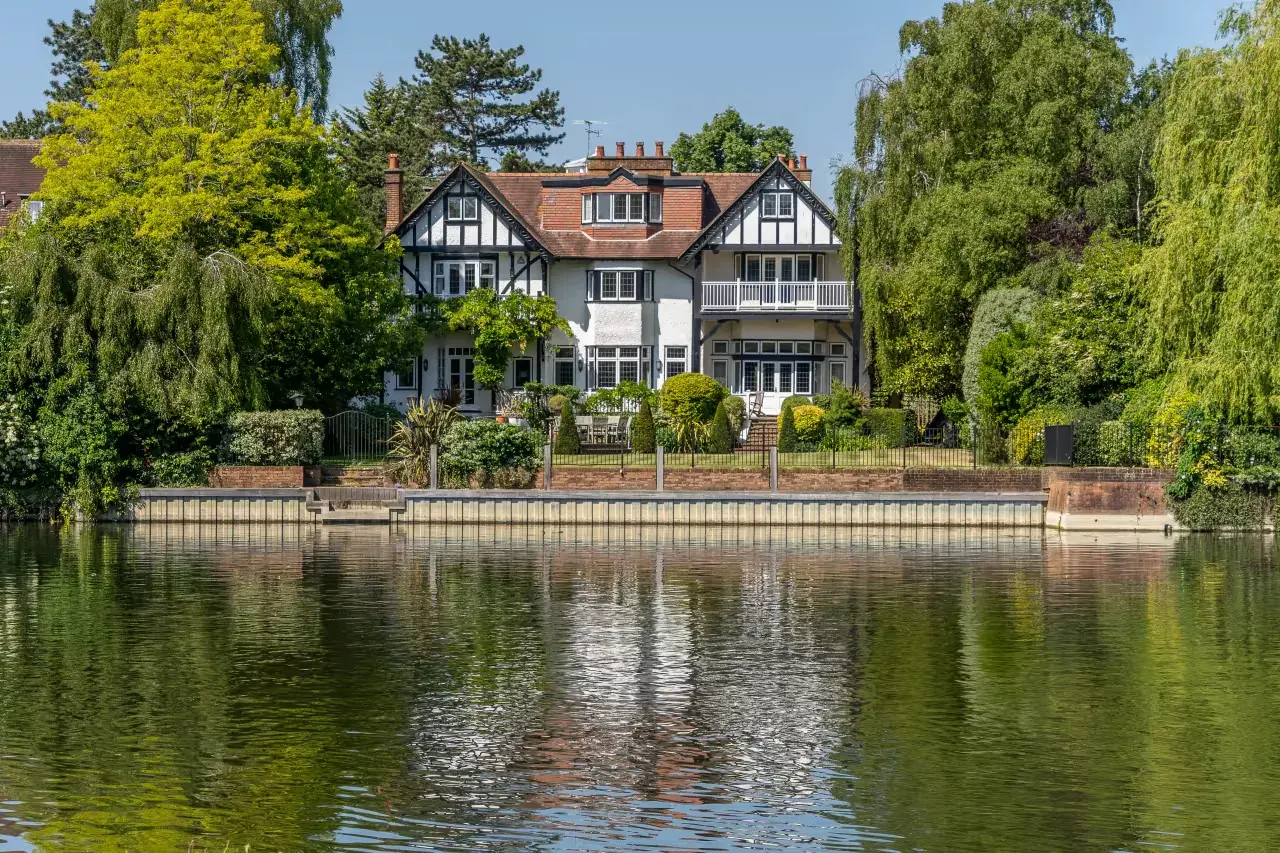
Lechlade to Newbridge – (16.4 Miles)
The Thames Path from Lechlade to Newbridge follows a tranquil and rural stretch of the river, where navigation becomes more common and the waterway begins to feel broader and more majestic. It’s ideal for walkers seeking quiet, flat terrain through beautiful countryside with occasional glimpses of river life.
Previous Section
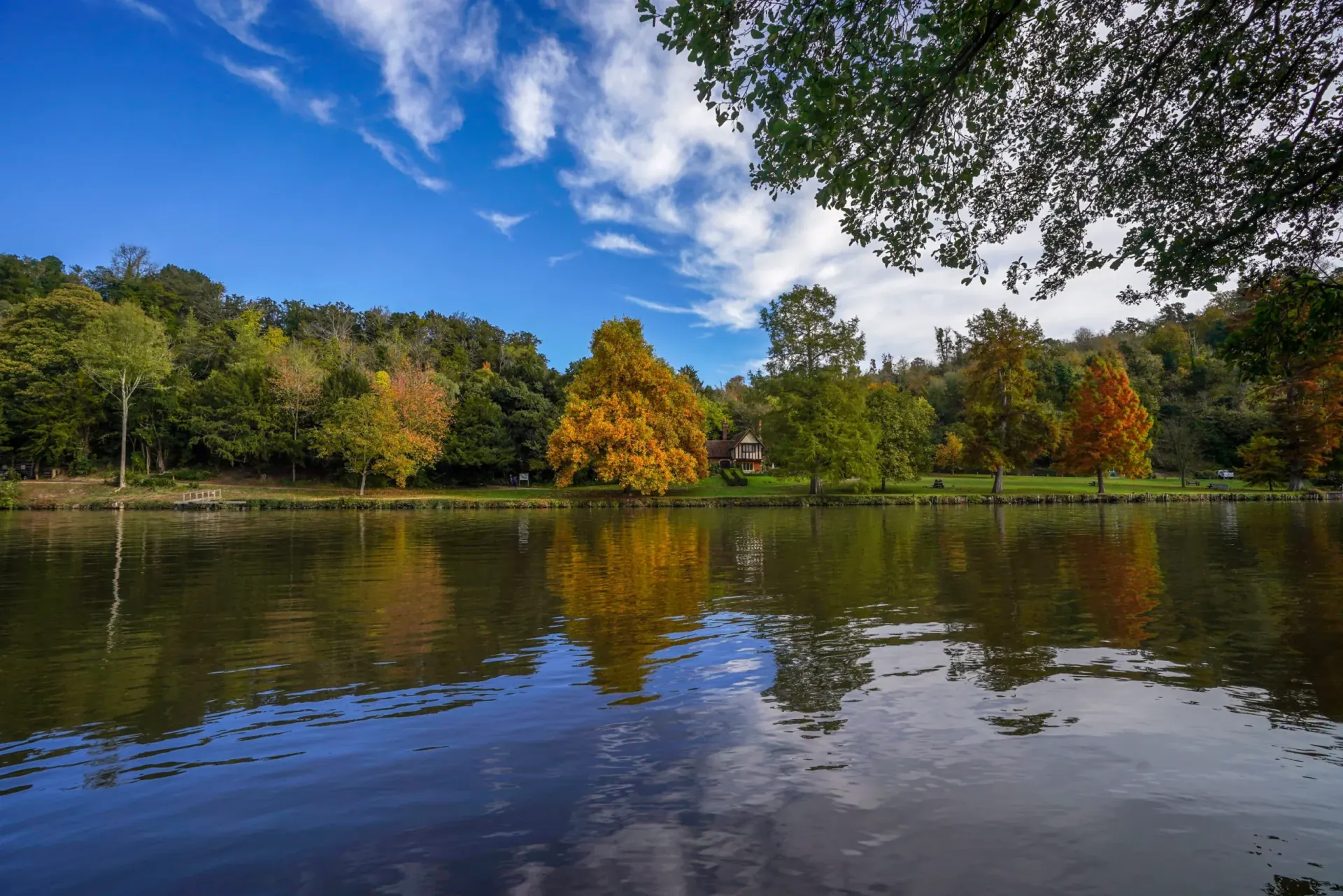
Cricklade to Lechlade – (11 Miles)
The Thames Path from Cricklade to Lechlade is a peaceful and scenic stretch of the National Trail that gently guides you through meadows, quiet lanes, nature reserves, and small Cotswold villages. As the River Thames gradually widens, the walk offers a delightful mix of open countryside and riverside views, along with rich history and plenty of wildlife.