There’s something uniquely rewarding about camping along a long-distance trail, waking up beside the river and brewing your morning tea before stepping straight back onto the path. For walkers on the Thames Path National Trail, camping can be a budget-friendly and peaceful way to experience the trail, especially in the quieter rural stretches.
That said, it’s important to plan ahead. The Thames Path passes through a mix of private land, farmland, nature reserves, and urban areas, which means wild camping is generally not permitted along most of the trail. To help walkers stay within the law and enjoy a safe, comfortable night’s sleep, we’ve compiled a list of campsites along each section of the route that you can find on our accommodation page.
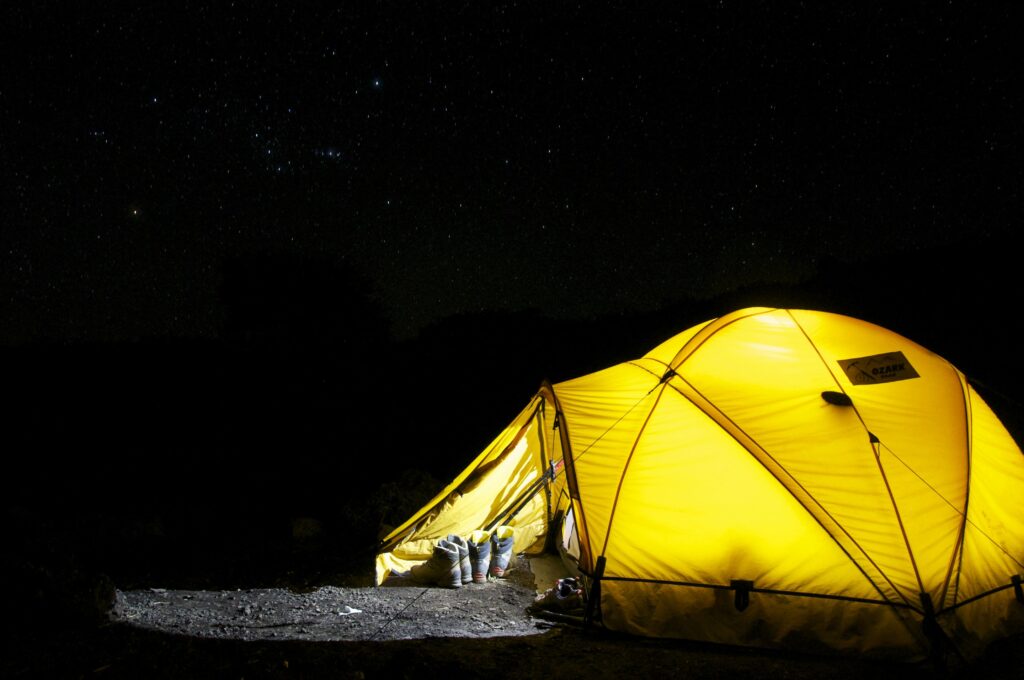
What to Expect
Campsites along the Thames Path range from family-run rural sites with basic amenities to more fully serviced holiday parks with showers, laundry facilities, and even small shops. Some are right on the riverbank, while others may require a short detour off the trail, but all offer a legal and safe place to rest your head.
You’ll find more options for camping in the western half of the trail (from the source in the Cotswolds to Reading), where the landscape is more rural. As you head into the more urban sections around Richmond and Central London, camping becomes far less practical, so it’s especially important to plan alternative accommodation in those areas.

Tips for Camping on the Trail
- Book in advance, especially during the summer or on weekends.
- Leave no trace. This means taking all your litter with you, using designated waste disposal and respecting the local environment.
- Check access and facilities before you arrive. Some sites cater more to caravans or longer stays.
- Stay safe and legal. Wild camping is only permitted with the explicit consent of the landowner.
Camping can add an extra layer of adventure to your Thames Path journey, offering a slower pace to help soak it all in. With a little planning and respect for the countryside, you’ll be well set for an enjoyable experience.
Frequently Asked Questions
Generally, no. Wild camping is not permitted along most of the Thames Path, as much of the land is privately owned or protected. You should only camp in designated campsites or with explicit permission from the landowner.
Campsites are more common in the western and rural sections of the path, especially between the source near Kemble and Reading. As the trail moves into more urban areas around London, campsite options become limited. You can see a selection of campsites along each section on our accommodation page.
Yes, especially during peak walking season (late spring to early autumn). Many campsites are small and fill up quickly on weekends and holidays. Booking ahead ensures you have a guaranteed spot.
Only at official campsites that are located near the river. Do not set up camp on the riverbank unless it’s an established site and you have permission. This helps protect sensitive habitats and avoids trespassing.
Most campsites do not allow open fires due to safety and environmental regulations. Some may allow raised fire pits or BBQs. Always check the rules for your specific site and follow all fire safety guidance.